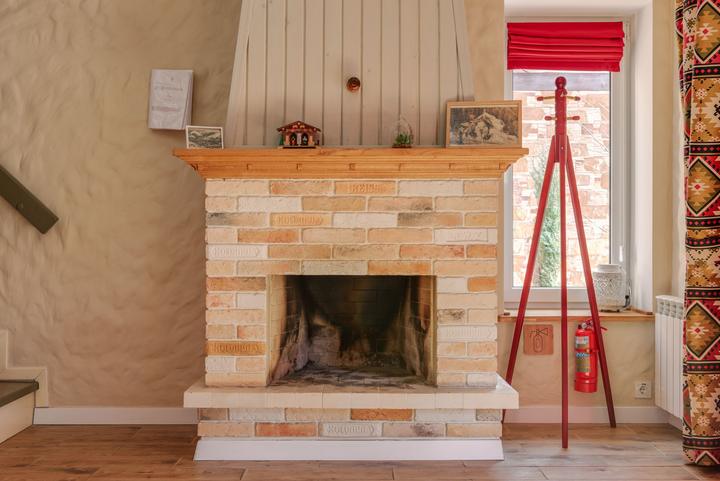
Chimney Animal Removal for Tallahassee Homes
A noise or nest in the chimney needs species-aware assessment before removal, cleaning or closure of the opening is planned.
- Family owned
- Upfront pricing
- Workmanship warranty



What's Included
Know the Scope Before Work Begins
- The observed condition and exact task
- The parts, preparation and access included
- Completion requirements and any unresolved finding
Proudly American
Family-owned service with a straightforward approach to your Tallahassee home.
On this page
Treat the sound as a reason to pause
Scratching, fluttering or repeated calls can suggest an animal in chimney spaces, but sound alone does not identify the species or location. Stop using the fireplace while the situation is assessed. Do not light a fire to drive animals out, reach into the flue or seal an opening from the ground. Chimney animal removal begins by establishing what is present and whether young or an active nest may be involved. That determines the lawful, humane next step and whether a wildlife professional needs to participate before ordinary chimney work can proceed.
Birds need identification before disturbance
A bird in chimney masonry may be nesting rather than trapped. Chimney swifts are one example of birds that use vertical chimney surfaces, and an active nest cannot be treated as ordinary sweep debris. Bird removal from a chimney requires assessment. If a bird nest is in the chimney, removal must be considered under the relevant wildlife guidance before anyone schedules extraction. Tell us whether sounds recur at particular times and whether you have seen birds entering from a safe ground-level position. Do not attempt to identify the nest by climbing or opening inaccessible parts of the chimney yourself.
Different animals require different help
A raccoon in chimney cavities presents a different handling problem from a squirrel in chimney space. For a bat in the chimney, removal requires species-specific professional guidance, including applicable exclusion restrictions. The purpose of the first conversation is to arrange the right assessment, not promise that every animal can be removed on the same visit. FWC provides guidance for wildlife conflicts and bats in buildings. If an animal enters the living area, keep people and pets away and seek the appropriate local assistance. Do not attempt capture, poisoning or relocation as a fireplace maintenance task.
Separate exclusion from chimney servicing
An animal in the chimney needs removal planned around the species and occupancy. That can involve a wildlife specialist first and chimney service later. Agree who determines that the space is vacant and who is responsible for any exclusion step. Closing a cap over occupied space can trap animals and leave the original problem inside. Once lawful clearance is established, the chimney may need an assessment for nest remnants, debris or damage before use. Cleaning and inspection are separate from handling wildlife. A cleared opening alone does not prove that the full vent path or fireplace is suitable to operate.
Choose a prevention detail that fits
After animals in chimney spaces are resolved, review how entry occurred. A missing or damaged cap may be relevant, but the replacement must fit the actual flue and appliance requirements. Mesh, mounting and termination clearance are product and system decisions, not a reason to attach improvised screening. Our cap replacement service can address the chimney component after the wildlife timing is settled. Keep the new scope distinct from a promise that all wildlife can never return. The useful goal is an appropriate serviceable barrier that can be maintained without obstructing the chimney.
What to prepare for a Tallahassee visit
Describe the sounds, the fireplace's recent use and any visible damage, while staying on the ground. Explain whether a wildlife company has already attended and what clearance or follow-up it provided. This helps avoid scheduling a sweep before the occupancy issue is resolved. The eventual closeout should distinguish wildlife work, cleaning, component repair and any remaining operating restriction. No animal-handling method or deadline should be assumed from a generic service label. A careful sequence protects the household, the animal and the chimney, while providing a practical plan for returning the fireplace to use.
Common Problems
Changes Worth Having Assessed
A noise or nest in the chimney needs species-aware assessment before removal, cleaning or closure of the opening is planned.
- Repeated wildlife sounds near the flue
- Birds observed entering the chimney
- A damaged termination with suspected animal access
Our Services
Connected Service Options
FAQs
Before You Arrange Service
Can you simply sweep out a nest?
Not before determining whether wildlife is present and what protections or restrictions apply. Active occupancy changes the work and may require a wildlife specialist.
Should I close the damper to stop the noise?
Do not manipulate the system to trap or force out an animal. Keep the fireplace unused and get advice for the identified situation.
Will a new cap finish the job?
Only after the space is cleared appropriately and any debris or damage is addressed. Cap installation is a separate system-compatible prevention step.
We Have Your Request
Our team will follow up about availability and the work you described.
Chimney & Fireplace Brands We Work With